Is DIY Mosquito Spray Worth It? The Honest Math
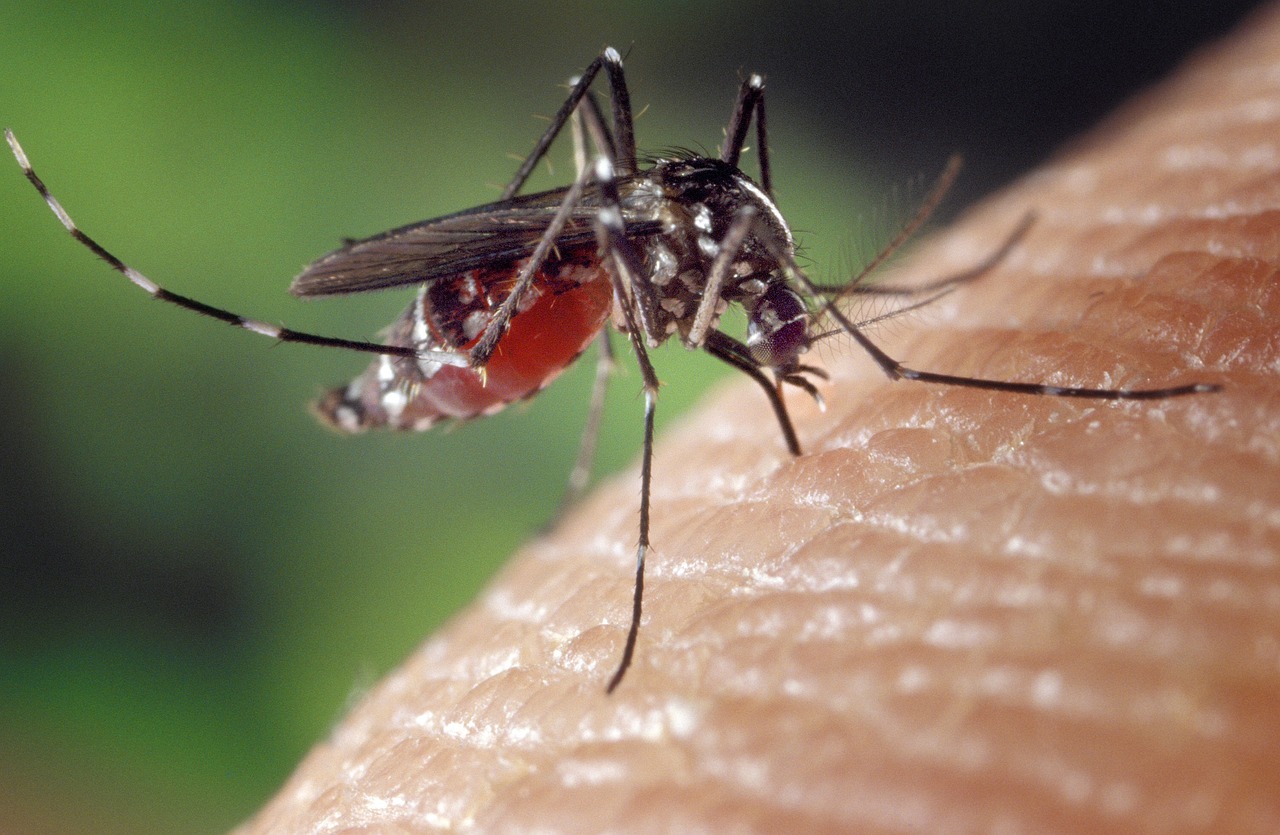
For most Georgia homeowners, DIY hose-end mosquito spray pencils out cheaper on paper but rarely delivers a usable backyard at dusk. A monthly barrier program costs more per season, but it puts product where mosquitoes actually rest — on the underside of leaves, in the shady corners, along the fence line — at label-rate concentrations a hose-end attachment can't match.
That's the short answer. Now let's do the honest math, because plenty of our customers in Acworth, Kennesaw, and Dallas tried the DIY route first. That's how they found us.
What does a season of DIY mosquito spray actually cost?
Let's price it out the way a homeowner would at the big-box store. A hose-end sprayer concentrate runs roughly $20–$30 per bottle and covers a stated 5,000 square feet per application. The label typically calls for reapplication every two weeks during mosquito season.
In north-metro Atlanta, mosquito season runs April through October. That's seven months, or about 14 two-week cycles.
- 14 applications × $25/bottle = ~$350 in concentrate
- Hose-end sprayer attachment: $10–$15 one-time
- Gloves, long sleeves, eye protection: $20–$40
- Total cash outlay: ~$380–$405 per season
Then there's the part nobody puts on the receipt: your time. Figure 30–45 minutes per application to mix, spray the perimeter, treat the shady spots, and rinse the sprayer. Across 14 cycles, that's 7 to 10 hours of your weekend, in Georgia heat, usually right when you'd rather be doing literally anything else.
Why doesn't the hose-end sprayer work as well as it should?
The math above assumes the product performs. In practice, three things go sideways.
1. Dilution is unpredictable
A hose-end sprayer mixes concentrate with whatever water pressure your spigot happens to put out that day. Pressure changes, the dial drifts, the bottle empties unevenly. You end up with hot spots and weak spots across the same yard.
2. Coverage misses where mosquitoes live
Mosquitoes don't hover in the open. They rest on the underside of leaves in shaded vegetation — that one corner by the fence, under the deck, in the liriope along the bed line. A garden-hose stream pushes droplets down and out. It doesn't lift product up under the canopy where the bugs actually are.
3. Residual breaks down faster than you think
Sun, rain, and our summer humidity all chew through residual. Miss a reapplication by a week because you were out of town, and you're starting from zero.
What do you actually pay for in a monthly barrier program?
A professional barrier spray isn't just stronger chemistry. It's a different delivery system.
- Backpack mist blower or power sprayer that pushes droplets up into foliage, not just across the lawn
- Label-rate mixing measured by a Georgia-licensed applicator — same concentration every visit
- Targeted application to harborage zones: shaded shrubs, fence lines, under decks, around AC units, leaf litter
- Monthly cadence built around the residual the product is actually rated for, April through October
- Licensed and insured work, with the same local crew — not a rotating tech
You're paying for the equipment, the license, the insurance, and the fact that someone who treats yards for a living is the one reading your specific property.
How does a monthly barrier program compare on price?
We don't post a flat number because every yard is different — a quarter-acre in Kennesaw with two shade trees is not the same job as a wooded lot in Dallas backing up to a creek. But here's the honest framing:
When you stack a season of barrier spray against $400 in DIY concentrate plus 7–10 hours of your own time plus the gas to drive back to the store when you run out mid-July, the gap is narrower than most people assume. And the outcome isn't comparable.
That's the part the math doesn't capture on its own. DIY gets you fewer mosquitoes. A barrier program is built to get you a backyard you'll actually use at dusk.
When does DIY actually make sense?
We're not going to tell you to never pick up a hose-end sprayer. There are situations where DIY is reasonable:
- You have a small, sunny yard with almost no shaded vegetation
- You only need knockdown for a single Saturday cookout, not season-long control
- Your mosquito pressure is genuinely light (rare in our service area — we're surrounded by trees and standing water)
If your yard has mature shade trees, a wooded property line, dense beds, or a low spot that holds water after a storm, you're fighting a losing battle with a garden hose.
What should a homeowner in Acworth, Kennesaw, or Dallas do first?
Before you spend on either route, do these three things — they're free and they make every dollar after work harder:
- Walk the yard and dump standing water. Saucers under pots, kids' toys, clogged gutters, tarps, low spots. Mosquitoes breed in a bottle cap of water.
- Trim back the worst harborage. Thin out that overgrown corner. You don't have to landscape it — just give air and light a chance.
- Decide what your time is worth. If 7–10 hours of summer Saturdays is fine with you, DIY may be your move. If it isn't, get a quote and compare apples to apples.
FAQ
How long does a professional mosquito barrier spray last?
A properly applied barrier treatment is built to hold for roughly three to four weeks under normal Georgia conditions, which is why the program runs monthly April through October. Heavy rain, aggressive pressure-washing, or unusually wet stretches can shorten that window. Re-treats between visits are part of the conversation if pressure spikes.
Is barrier spray safe around kids and pets?
Applications are made by Georgia-licensed applicators at label rates, and the standard guidance is to keep kids and pets off treated foliage until the product is dry — typically a short window. We're licensed and insured, and we apply per label. For specific medical or sensitivity questions, your vet or pediatrician is the right call.
Can I just fog the yard before a cookout instead?
A fogger gives you knockdown — it kills what's flying right then. It does not leave residual on the foliage where mosquitoes return to rest. For one event, fogging can help. For a usable backyard all summer, residual barrier treatment is the tool built for the job.
Do you offer mosquito control on its own, or only with a lawn program?
Mosquito control is a standalone program with us — it's a headline service, not a bolt-on. You can add lawn treatments, shrub and tree care, or fertilization and weed control if you want, but you don't have to. We're treatment specialists. No mowing, no cutting.
Want the honest number for your yard? Call or text Greg and Jason at 770-669-3073, or get a quote at localmosquitoandlawn.com — we'll get back within 24 hours.
← All articles